Burning belly fat: what works and what doesn’t?
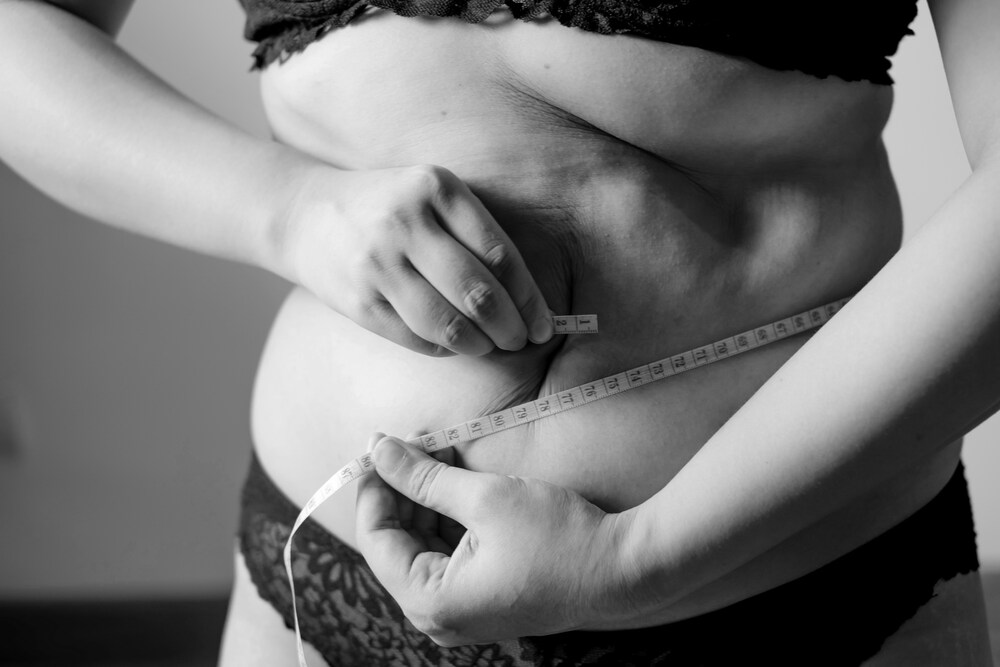
Burning belly fat: what works and what doesn't?
Belly fat is a source of frustration for many, but its effects go far beyond appearance. Fat that accumulates around the organs, known as visceral fat, is proven to increase the risk of cardiovascular disease, type 2 diabetes, and other chronic conditions. In this article, you will find out exactly what belly fat is, why it is so stubborn, and which methods are truly effective. From diet and exercise to medical monitoring: you will get an honest and scientifically grounded overview.
What is the difference between belly fat and regular fat?
Not all body fat is the same. Subcutaneous fat is located just under the skin and is visible when you pinch it. While visible, it is relatively less harmful to your health. Visceral fat is located deeper in the abdominal cavity, surrounding organs such as the liver, pancreas, and intestines. This type of fat is metabolically active: it produces inflammatory substances and hormones that promote insulin resistance and increase the risk of chronic diseases. Waist circumference is a reliable indicator of the amount of visceral fat. For men, a waist circumference of over 94 cm is considered to increase risk, and for women, over 80 cm.
Why is belly fat so stubborn?
Visceral fat reacts strongly to two hormones that are in excess in modern life: cortisol and insulin. Studies showthat chronic stress, which causes consistently elevated cortisol levels, directly promotes fat accumulation in the abdominal area and contributes to metabolic syndrome. Clinical studies showthat sleep deprivation disrupts hunger hormones, ghrelin and leptin, leading to increased appetite and weight gain. Insulin resistance, characterized by a reduced cellular response to insulin, also leads to increased fat storage around the organs. Genetics also play a role: some people naturally store more fat in the abdominal area than others. This makes belly fat a problem that extends beyond willpower or discipline.
Can you burn belly fat in a targeted way?
Studies in which participants performed intensive exercise on only one side of their bodyconfirm that "spot reduction" does not exist: no localized fat loss was observed even with targeted training. The body decides for itself where it burns fat. However, it is true that visceral fat responds to weight loss faster than subcutaneous fat: a systematic review shows that the proportion of visceral fat decreases more in percentage terms during a calorie deficit than fat located directly under the skin. This means that health benefits can be measurable even before the result is clearly visible on the scale.
Which diet helps reduce belly fat?
Diet directly affects visceral fat, particularly through insulin. Highly processed foods, added sugar, and refined carbohydrates cause rapid insulin spikes that promote fat storage. Limiting the consumption of these foods reduces insulin resistance and curbs fat storage in the abdominal area. A diet rich in fiber, protein, and healthy fats promotes satiety and stabilizes blood sugar. Alcohol deserves special attention: population studies show that alcohol consumption is significantly associated with an increase in both visceral and subcutaneous fat accumulation, regardless of total calorie intake. You don't need to change your eating habits radically, but by consistently choosing unprocessed foods, you can achieve a lasting change.
Which form of exercise is most effective in fighting belly fat?
Exercise is one of the most effective ways to combat visceral fat, but the type and intensity of the activity influence the results. Studies on the most effective sport for reducing visceral fat show that a combination of aerobic exercise and strength training produces the greatest reduction. Aerobic exercise, such as running, cycling, or HIIT, increases calorie expenditure immediately. Strength training improves insulin sensitivity in the long term and raises resting metabolic rate, as muscle mass consumes more energy than adipose tissue. A meta-analysis on the most effective training for combating visceral fat also confirms that combined training is clearly more effective than cardio or strength training performed separately. Walking is an easily implemented addition. Incorporating walking into your weight loss strategy does not necessarily require intensive training to be beneficial.
Do weight loss medications help reduce belly fat?
Yes, and the scientific evidence is solid. GLP-1-based medications affect several mechanisms simultaneously: they suppress appetite via hypothalamic centers, slow gastric emptying, and improve insulin sensitivity. Recent studies showthat GLP-1 receptor agonists change body composition favorably, which is particularly evident in the reduction of visceral fat. Studies on how semaglutide reduces visceral fatshow that semaglutide also suppresses inflammatory processes in adipose tissue. Regarding Mounjaro's active ingredient, tirzepatide, studies on tirzepatide and belly fat reduction show a significant decrease in midsection adipose tissue even in patients suffering from heart failure.
Do you want to know more about how these medications work? Check out how Ozempic helps with weight loss or see the comparison in the article Ozempic vs. Mounjaro: which is better for you?. Side effects of semaglutide include, in particular, nausea, diarrhea, and vomiting, especially in the early stages of treatment. Tirzepatide has a similar side effect profile. These two medications must not be used if the patient has a history of pancreatitis or type 1 diabetes. Always consult a doctor before weight loss medications starting use.
How long does it take to lose belly fat?
The time depends on your starting weight, lifestyle, and the intensity of your efforts. By consistently combining diet, exercise, and potentially medical treatment, initial results are often visible after 8–12 weeks. A lasting reduction in visceral fat typically takes 6–12 months. This is not a sprint. Sustainable changes in eating habits, stress levels, and physical activity are more effective than short-term diets. Furthermore, combining the best foods with GLP-1 treatment under medical supervision significantly increases the chances of achieving lasting results.
Reducing belly fat requires a holistic approach with Goodweigh
Visceral fat does not disappear with a single measure. It requires an approach that combines diet, exercise, stress management, and, if necessary, medical support. This is exactly what Goodweigh offers: an online consultation with a doctor, personalized support, and, if needed, proven effective weight loss medications, which are delivered discreetly to your home. Treatment is tailored to each individual; it is not one-size-fits-all. If you are ready to take your belly fat seriously, the first step is to fill out the registration questionnaire. Start today.
Viitteet
- Paredes, S., & Ribeiro, L. (2014). Kortisoli: metabolisen oireyhtymän syyllinen? Revista da Associação Médica Brasileira, 60(1), 84–92. https://pubmed.ncbi.nlm.nih.gov/24918858/
- Spiegel, K., Tasali, E., Penev, P., & Van Cauter, E. (2004). Lyhyt artikkeli: Unenpuute terveillä nuorilla miehillä liittyy leptiinin pitoisuuksien laskuun, greliinin pitoisuuksien nousuun sekä nälän ja ruokahalun lisääntymiseen. Annals of Internal Medicine, 141(11), 846–850. https://pubmed.ncbi.nlm.nih.gov/15583226/
- Kostek, M.A., ym. (2007). Ylävartalon voimaharjoitteluohjelman aiheuttamat muutokset ihonalaisessa rasvassa. Medicine & Science in Sports & Exercise, 39(7), 1177–1185. https://pubmed.ncbi.nlm.nih.gov/17596787/
- Chaston, T.B., & Dixon, J.B. (2008). Tekijät, jotka liittyvät viskeraalisen vatsarasvan ja ihonalaisen rasvan prosentuaaliseen vaihteluun painonpudotuksen yhteydessä: systemaattisen katsauksen tulokset. International Journal of Obesity, 32(4), 619–628. https://pubmed.ncbi.nlm.nih.gov/18180786/
- Sumi, M. ym. (2019). Alkoholin kulutuksen ja rasvakertymän välinen yhteys yleisväestöotoksessa. Journal of Epidemiology, 29(11), 400–406. https://pubmed.ncbi.nlm.nih.gov/29848904/
- Bhandarkar, A. ym. (2025). GLP-1-reseptoriagonistien vaikutus kehon koostumukseen. Current Opinion in Endocrinology, Diabetes and Obesity, 32(3). https://pubmed.ncbi.nlm.nih.gov/41076575/
- Martins, F.F. ym. (2022). Semaglutidi edistää ihonalaisissa rasvasoluissa tapahtuvaa muuntumista ruskeaksi rasvaksi ja lieventää vistseraalisen rasvan tulehdusta. Cell Biochemistry and Function, 40(8), 884–895. https://pubmed.ncbi.nlm.nih.gov/36169111/
- Borlaug, B.A. ym. (2025). Painoindeksin, keskivartalolihavuuden ja painonpudotuksen vaikutus tirzepatidin hyötyihin sydämen vajaatoiminnassa, jossa ejektiofraktio on säilynyt (HFpEF). Journal of the American College of Cardiology, 85(22). https://pubmed.ncbi.nlm.nih.gov/40701669/
- Chang, Y.H. ym. (2021). Liikunnan annoksen vaikutus viskeraalisen rasvakudoksen vähenemiseen: systemaattinen katsaus ja verkostometaanalyysi. International Journal of Obesity, 45(5), 982–995. https://pubmed.ncbi.nlm.nih.gov/33558643/
- Khalafi, M., ym. (2025). Eri liikuntatyyppien vertailu viskeraalisen rasvakudoksen vähentämisessä prediabetesta ja tyypin 2 diabetesta sairastavilla potilailla: systemaattinen katsaus, jossa on parikohtaisia ja verkostometaanalyysejä. Obesity Reviews. https://pubmed.ncbi.nlm.nih.gov/41062106/