Ozempic during Ramadan
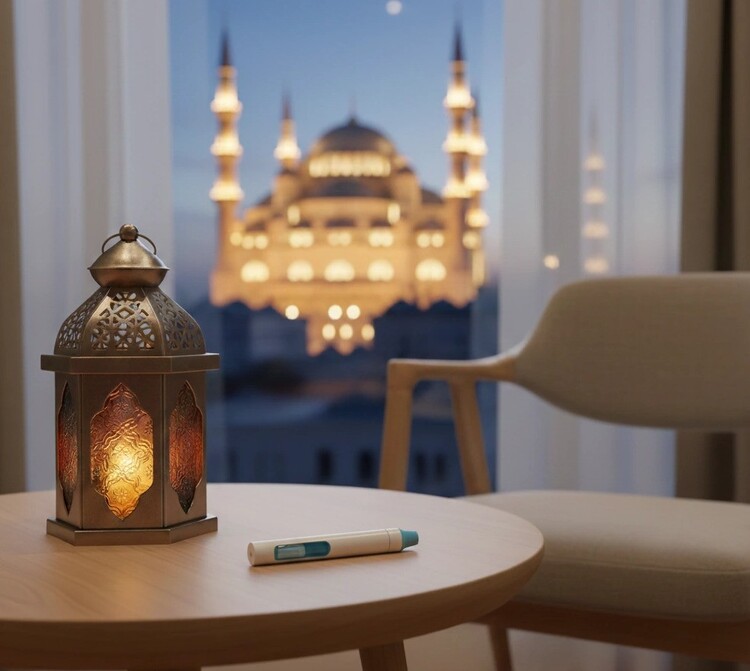
Ozempic during Ramadan
Ramadan is a time for peace, reflection, and community. At the same time, it is a month when your body operates on a different rhythm: there are fewer meals, your sleep schedule changes, and iftar meals are often larger. If you are using Ozempic, it is natural to wonder how it best fits in with fasting.
In short: for many, using Ozempic during Ramadan works well, but it requires a bit of smarter planning. In this article, you will get practical tips to help you fast comfortably, limit side effects, and continue your treatment consistently.
Note: this is general information and does not replace medical advice. If you are unsure, always consult your doctor.
Why Ozempic might feel different during Ramadan
Ozempic (semaglutide) aids in weight loss by suppressing appetite and slowing down gastric emptying. You feel full faster, have fewer cravings, and keeping portion sizes small is often easier.
Scientific studies on using Ozempic during Ramadan show that the medication can generally be used safely while fasting, provided that special attention is paid to hydration and side effects (Alayed, 2023).
At the same time, however, Ramadan can make side effects slightly more "noticeable." When gastric function slows down and you eat more than usual in a short period, nausea, bloating, or reflux can occur more easily (Alayed, 2023).
The secret, therefore, is not to try harder, but to act smarter regarding timing, food choices, and hydration.
When should you take your injection?
A practical guideline is to take the injection after your iftar meal. For many people, this reduces the risk of nausea or dizziness during the fasting hours. A study examining the use of Ozempic during Ramadan emphasized that a stable dosage and correct timing in relation to fasting are important for reducing symptoms and maintaining treatment adherence (Hassanein et al., 2025).
Try to do this at roughly the same time every week so that your body learns a predictable rhythm.
Have you been using Ozempic for a while and have only minor side effects? In that case, another fixed time will also work. The most important thing is consistency.
Iftar: start calmly and support your body
Iftar is a moment when things often go wrong, not because you lack self-discipline, but because your body is literally empty. Combine this with Ozempic, and you are more prone to the "too much, too fast" problem.
Start your iftar calmly: first water, then something small and light.
What helps:
- Start with water and something small, such as soup, yogurt, or a few dates
- Eat slowly and take a break after your first portion
- Choose light and nutritious over large and fatty
Large, fatty meals can worsen symptoms because Ozempic slows down gastric emptying. Think of it this way: your stomach works more slowly, so "heavy food" stays there longer, which can cause nausea.
Suhoor: build a meal that keeps hunger at bay for a long time
Suhoor is your foundation for the day. If you eat too lightly here, you will get a headache or experience an energy crash sooner. If you eat too heavily, you will feel nauseous or sleep poorly. The ideal option is a meal that contains protein, fiber, and slow-absorbing carbohydrates.
Good suhoor choices:
- Eggs, Greek yogurt, cottage cheese, tofu
- Oatmeal, whole grain bread, whole grain rice
- Legumes, vegetables, fruits
- Nuts or olive oil as a source of healthy fats
This helps you stay full longer and reduces blood sugar fluctuations.
Drinking between iftar and suhoor meals: more important than you think
Staying hydrated is especially important during Ramadan, particularly if your appetite is lower and you find yourself drinking less without realizing it. (Alayed, 2023)
Drink enough fluids between your iftar and suhoor meals by spreading your intake throughout the evening and night.
Tips:
- Drink small amounts frequently throughout the evening and night rather than consuming everything at once
- Prioritize water and tea
- Be cautious with caffeine, as it can worsen dehydration
- Add electrolytes if needed, especially if you are prone to dizziness or sweat heavily
Managing nausea and other side effects
Mild nausea is common, especially at the start of treatment or when increasing the dosage. Often, you can keep it manageable with simple adjustments:
- Eat smaller portions
- Avoid fatty and fried foods
- Choose protein and fiber more often
- Stay at your current dosage for a while if you experience symptoms
If your symptoms clearly worsen during Ramadan, it is a sign that your body needs a bit more rest. Sometimes it is as simple as eating a lighter meal at iftar. (Alayed, 2023)
Exercising during Ramadan while taking Ozempic
Light exercise is usually an excellent option, such as going for a walk after your iftar meal. It also aids digestion and helps with sleep.
Intense exercise is generally not recommended while fasting, especially if you suffer from dizziness or are already struggling with low fluid intake. Still want to work out? It is better to do so after the iftar meal or just before suhoor, when you are able to drink.
When should you break your fast and when should you contact a doctor?
Your health always comes first. If you experience these symptoms, break your fast and contact a doctor:
- severe dizziness
- fainting
- persistent vomiting
- symptoms of dehydration that do not improve with fluid intake
- severe abdominal pain
In conclusion: Ramadan is all about balance
Using Ozempic during Ramadan is entirely possible, and for many, it even helps them approach eating with more composure. With a few practical choices—administering your dose after iftar, gradual titration, a light iftar meal, a substantial suhoor, and adequate hydration—you can make things much easier for yourself.
Want to know more about Ozempic and the support offered by goodweigh? Check out our website.
References (MLA)
Alayed, Khalid Mohammed. ”Glucagon-Like Peptide-1 (GLP-1) during Ramadan: Narrative Review of the Published Literature.” Journal of Obesity, 2023, article 8626081.
Hassanein, Mohamed, et al. "O-SEMA-FAST: A Prospective, Non-interventional Study of Oral Semaglutide in Adults with Type 2 Diabetes During Ramadan." Diabetes Therapy, vol. 16, 2025, pp. 663–684.
Viitteet
Alayed, Khalid Mohammed. "Glucagon-like peptide-1 (GLP-1) during Ramadan: A narrative review of the published literature." Journal of Obesity, 2023, article 8626081.
Hassanein, Mohamed, et al. "O-SEMA-FAST: A prospective, non-interventional study investigating the use of oral semaglutide in adults with type 2 diabetes during Ramadan." Diabetes Therapy, vol. 16, 2025, pp. 663–684.