Semaglutide dosage: a step-by-step guide
Semaglutide dosage: a step-by-step dosing schedule
Semaglutide does not reach its full effect on the very first day. The semaglutide dosing schedule is intentionally designed in stages so that your body has time to adjust to the medication and side effects can be minimized as much as possible. This article details what this step-by-step dosing schedule involves, the differences between Ozempic and Wegovy, and what you can expect at each stage of treatment.
Why is semaglutide administered in stages?
Semaglutide stimulates GLP-1 receptors in the brain and digestive tract. This reduces feelings of hunger, slows gastric emptying, and ultimately leads to weight loss. It is this slowing of gastric emptying that explains why you may experience nausea, diarrhea, or vomiting at the beginning of treatment. By increasing the dose gradually, your body has time to adapt to the effects of the medication. As clinical studies show, this method of escalating the dose significantly reduces side effects without affecting the final efficacy.
Wegovy step-by-step dosing schedule (2.4 mg per week)
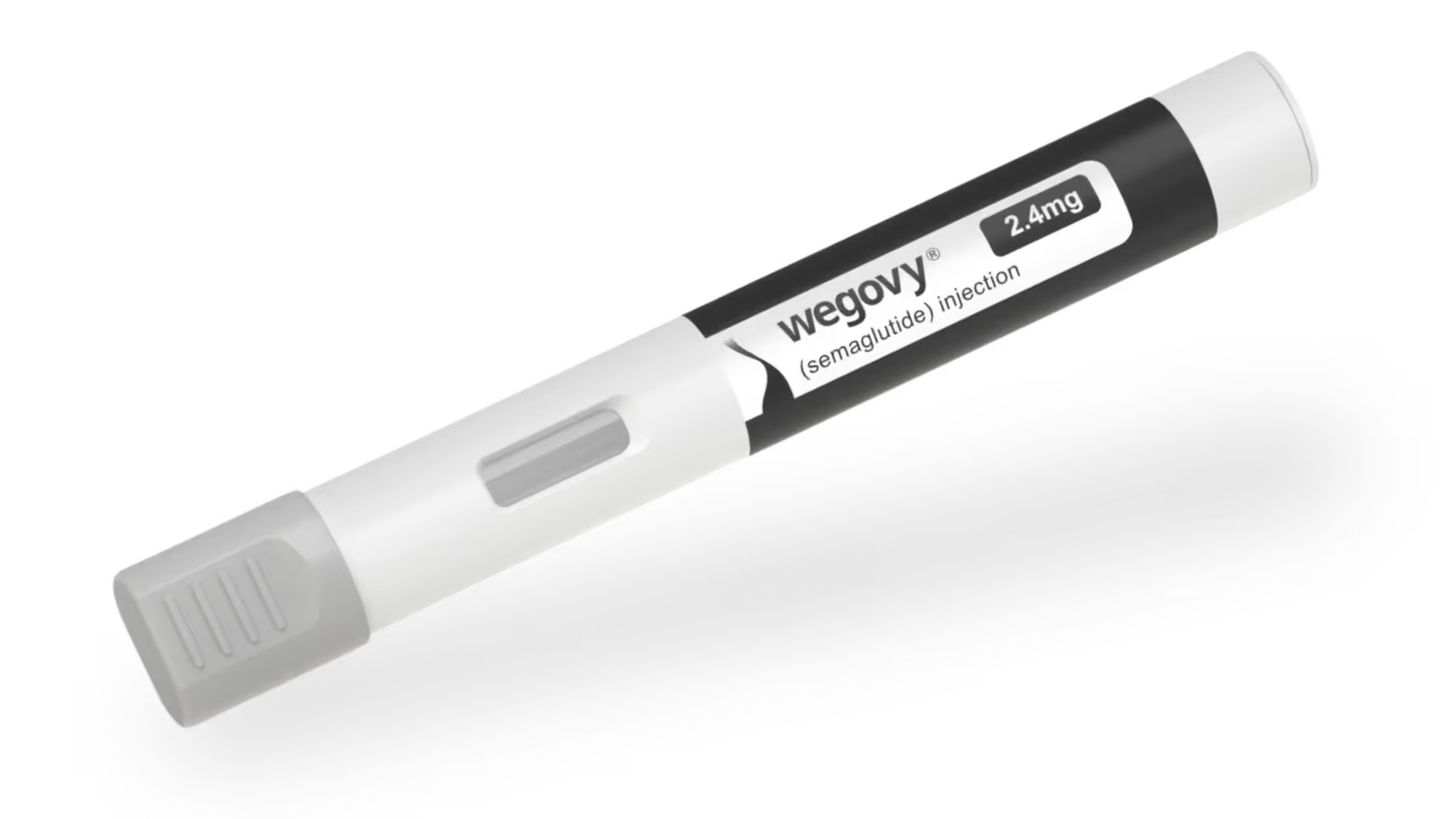
Wegovy is a form of semaglutide specifically approved for weight management. The Wegovy dosing schedule consists of five stages lasting a total of sixteen weeks:
Stage 1 lasts for the first four weeks. You start with a dose of 0.25 mg per week. This is a starting dose intended solely to help you adjust to the treatment; no significant weight loss is expected at this stage. In Stage 2, from the fifth to the eighth week, the dose is increased to 0.5 mg per week. During Stage 3 (from the ninth to the twelfth week), the dose is increased to 1.0 mg, and during Stage 4 (from the thirteenth to the sixteenth week) to 1.7 mg. From the seventeenth week onwards, the maintenance dose of 2.4 mg per week is reached.
Each injection is administered subcutaneously into the abdomen, upper thigh, or upper arm. It is recommended to rotate the injection site to avoid irritation. In the STEP 1 study, participants lost an average of nearly 15% of their body weight after 68 weeks following this dosing guide, as clinical studies show.
Ozempic step-by-step dosing guide (up to 2.0 mg per week)
Ozempic contains the same active ingredient, but it is approved for the treatment of type 2 diabetes, not for weight management. The dosing guide is slightly more compact: you start with 0.25 mg per week for four weeks, then move to a 0.5 mg maintenance dose, and if necessary, you can increase the dose to 1.0 mg and finally to 2.0 mg per week. Would you like to know more about the exact mechanism of action of Ozempic and what you can expect? Check out Goodweigh's Ozempic page.
When is the dose increased?
The dose is not increased automatically at a specific time. Your treating physician will assess whether you are ready to move to the next stage. Criteria to consider include: tolerance of the current dose, the easing of any potential digestive symptoms, and sufficient weight loss. It is also possible that the doctor may decide to extend a stage if it proves clinically appropriate. This treatment plan is a recommendation, not a strict obligation.
Clinical practice data showsthat less than a quarter of patients actually reach the maximum dose of 2.4 mg. However, the majority of participants who continued treatment for at least 12 months achieved a weight loss of over 14%, which is comparable to the results observed in controlled clinical trials. The most important lesson is that the goal is a gradual increase in dose, not the maximum dose.
What should I do if I cannot tolerate the maximum dose?
Some people experience persistent nausea or vomiting at higher doses. In such cases, you can remain on a lower dose as agreed with your doctor. This is not a treatment failure, but rather an adjustment to your body's needs. For most patients, side effects subside as the treatment progresses. You can find more information on the potential side effects of semaglutide in the list Side effects of Ozempic in weight loss treatment. Always contact your doctor if side effects are severe or persistent.
What should I do if I miss a dose?
If you have missed your weekly injection, you can still take it if there are at least two days remaining until your next scheduled dose. If the next dose is due sooner, skip the missed dose and continue according to your regular schedule. Never double the dose. If you are unsure, contact your treating physician.
Semaglutide and long-term weight loss
The dosage instructions are designed for long-term use. Studies on the effects of discontinuing semaglutide show that after stopping treatment, patients regain an average of two-thirds of their lost weight within a year. This highlights that semaglutide is not intended as a short-term treatment, but rather as part of a broader lifestyle change. At Goodweigh, the use of the medication is always combined with medical support and monitoring. Read more about the Goodweigh program.
Am I eligible for semaglutide?
Semaglutide (under the brand name Wegovy) is approved for adults with a BMI of 30 or higher, or a BMI of 27 or higher with weight-related health issues such as high blood pressure or sleep apnea. Your eligibility depends on several factors. Learn more about the criteria in our article on eligibility for GLP-1 treatments. You can also start an initial consultation directly through Goodweigh: a doctor will assess your situation and create a treatment plan tailored to your needs.
Viitteet
- Wilding, J. P. H., Batterham, R. L., Calanna, S., Davies, M., Van Gaal, L. F., Lingvay, I., McGowan, B. M., Rosenstock, J., Tran, M. T. D., Wadden, T. A., Wharton, S., Yokote, K., Zeuthen, N., & Kushner, R. F. (2021). Kerran viikossa annettava semaglutidi ylipainoisille tai lihaville aikuisille. New England Journal of Medicine, 384(11), 989–1002. https://doi.org/10.1056/NEJMoa2032183
- Rubino, D., Abrahamsson, N., Davies, M., Hesse, D., Greenway, F. L., & STEP 4 -tutkimuksen tutkijat. (2021). Viikoittaisen subkutaanisen semaglutidihoidon jatkamisen vaikutus painonpudotuksen ylläpitämiseen ylipainoisilla tai lihavilla aikuisilla verrattuna lumelääkkeeseen: satunnaistettu kliininen STEP 4 -tutkimus. JAMA, 325(14), 1414–1425. https://doi.org/10.1001/jama.2021.3224
- Wilding, J. P. H., Batterham, R. L., Davies, M., Van Gaal, L. F., & STEP 1 -tutkimusryhmä. (2022). Painon takaisin kertyminen ja kardiometaboliset vaikutukset semaglutidin käytön lopettamisen jälkeen: STEP 1 -tutkimuksen jatkotutkimus. Diabetes, Obesity and Metabolism, 24(8), 1553–1564. https://doi.org/10.1111/dom.14725
- Samuels, J. M., Ye, F., Irlmeier, R., Silver, H., Srivastava, G., & Spann, M. (2025). Annostuksen säätö, hoitomyöntyvyys ja painonpudotus todellisissa olosuhteissa semaglutidin ja tirzepatidin käytön yhteydessä yliopistollisessa liikalihavuuteen erikoistuneessa klinikassa. Diabetes, Obesity and Metabolism, 27(11), 6200–6209. https://doi.org/10.1111/dom.70004