What are the side effects of Wegovy?
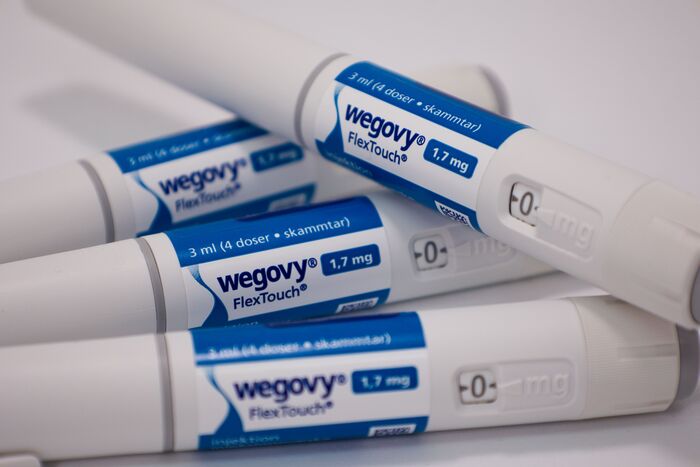
What are the side effects of Wegovy?
Wegovy is an effective weight loss medication, but as with all medicines, it can cause side effects. This article explains what side effects may occur, when they typically appear, and how Goodweigh supports you in ensuring a safe and comfortable treatment experience. If you would first like to learn more about how this medication works, you can find more information about Wegovy on our product page.
What are the most common side effects?
The most common side effects of Wegovy are gastrointestinal issues. Nausea is by far the most frequently reported symptom: the STEP 1 study showsthat over 44% of users experienced it to some degree, compared to 16% in the placebo group. Diarrhea was observed in approximately 30% of participants, vomiting in 25%, and constipation in 24%. Additionally, some users report headaches and fatigue, especially during the first weeks of treatment. Hair loss affects about 2.5% of users. This is almost always telogen effluvium, a temporary form of hair loss resulting from physical changes, which usually resolves on its own. A slight increase in heart rate has also been observed, averaging about three extra beats per minute.
When do side effects most often occur?
Side effects are most intense during the first weeks of treatment, and this is no coincidence. Wegovy treatment begins with a low weekly dose of 0.25 mg, which is increased every four weeks until the 2.4 mg weekly maintenance dose is reached. With each dose increase, the body may temporarily react with nausea or other gastrointestinal symptoms. Safety studies showthat this gradual dosing schedule is specifically designed to make side effects as tolerable as possible. For most patients, symptoms subside significantly after a few days or weeks.
Are there also rare or serious side effects?
Although most users experience only mild to moderate side effects, rare but serious side effects have been reported. A clinical study published in The Lancet showsthat acute pancreatitis, gallstones (cholelithiasis), and gallbladder inflammation can occur, albeit rarely. In exceptional cases, acute kidney failure has been reported, almost always as a result of severe dehydration caused by persistent vomiting or diarrhea. Individuals using insulin concurrently have an increased risk of severe hypoglycemia. Anaphylaxis and bowel obstruction are extremely rare, but they are mentioned in the European Medicines Agency's official package leaflet. Wegovy is contraindicated for individuals with a history of pancreatitis, severe kidney or liver impairment, or type 1 diabetes, as well as during pregnancy.
How can mild side effects be managed?
Mild side effects are bothersome, but most people can manage them well with a few practical adjustments. Eating smaller meals, chewing more slowly, and avoiding fatty or highly spicy foods help alleviate nausea. You can find more tips on our page the best foods to eat while on Wegovy. It is very important to stay hydrated, especially if you experience diarrhea or vomiting, to avoid dehydration. Constipation is usually well-managed with a higher-fiber diet and physical activity. It is also wise to schedule your injection for a specific time each week so that any potential symptoms are predictable and you can prepare for them.
What to do if serious symptoms occur?
If you experience persistent and severe abdominal pain that radiates to your back, stop the injections immediately and contact a doctor or your healthcare provider. The same applies if you develop symptoms of a serious allergic reaction, such as swelling of the lips, tongue, or throat, or if you notice signs of dehydration. Also, take a look at the safe use of Wegovy page, where you will find an overview of situations that require action. In case of doubt, it is always wise to contact your own doctor, even outside of regular follow-up visits.
Do side effects go away on their own?
For the vast majority of users, the answer is yes. Researchers concludethat gastrointestinal issues associated with Wegovy are generally transient and are most intense at the beginning of treatment or after a dose increase. Once the dose is stabilized, the body adjusts to the medication, and symptoms subside significantly for most people. A long-term study published in *Nature Medicine* showsthat individuals who continue treatment also achieve the greatest weight loss, which highlights that in most cases, persistence pays off.
How does Goodweigh help you manage Wegovy side effects?
With Goodweigh, you are not alone. Our doctors and coaches actively support you throughout your treatment, even if you experience side effects. Thanks to the support provided by Goodweigh, you receive personalized advice on dose adjustments, lifestyle, and diet. If a side effect persists or feels too burdensome, we will decide together whether to delay a dose increase or adjust the treatment plan. This is exactly what sets treatment with support apart: you always have someone who listens to you and thinks things through with you.
Start your Wegovy treatment safely with the support of Goodweigh
For many, side effects are part of the initial phase of treatment, but they are manageable and temporary in nature. A gradual dose increase combined with tailored lifestyle guidance and active medical support helps most patients tolerate the treatment well. If you have questions about the differences between this medication and similar ones, also check out our article on the differences between Ozempic and Wegovy. At Goodweigh, we support you every step of the way so you can reach a healthier weight safely and comfortably.
Viitteet
- Wilding, J. P. H. et al. (2021). Once-Weekly Semaglutide in Adults with Overweight or Obesity. New England Journal of Medicine. https://pubmed.ncbi.nlm.nih.gov/33567185/
- Smits, M. M., & Van Raalte, D. H. (2021). Safety of Semaglutide. Frontiers in Endocrinology. https://pubmed.ncbi.nlm.nih.gov/34305810/
- Davies, M. et al. (2021). Semaglutide 2.4 mg once weekly in adults with overweight or obesity, and type 2 diabetes (STEP 2). The Lancet. https://pubmed.ncbi.nlm.nih.gov/33667417/
- Chao, A. M., et al. (2023). Semaglutide in the treatment of obesity. Trends in Cardiovascular Medicine. https://pubmed.ncbi.nlm.nih.gov/34942372/
- Ryan, D. H. et al. (2024). Long-term effects of semaglutide on weight loss in non-diabetic individuals with obesity in the SELECT trial. Nature Medicine. https://pubmed.ncbi.nlm.nih.gov/38740993/
- European Medicines Agency. (n.d.). Wegovy: EPAR product information. https://www.ema.europa.eu/nl/documents/product-information/wegovy-epar-product-information_nl.pdf